Source Silver Engraved Electrical Tag Labels for Business, Public, and Office Use
Find 30 silver engraved electrical tag labels suitable for business, public, and office applications. Compare options made from steel, aluminum, or synthetic paper with custom sizes, RoHS compliance, and various finishing processes like laser engraving and polishing; compare the available evidence and request quotations based on your requirements.
Key considerations
Products List




Comprehensive Sourcing Guide
Silver Engraved Electrical Tag Labels Sourcing Guide
Procurement professionals seeking silver engraved electrical tag labels must first recognize the diverse material base available in the current market, ranging from steel and aluminum alloys to specialized synthetic papers. These tags are engineered for durability in both indoor and outdoor environments, ensuring that critical electrical data remains legible despite exposure to varying weather conditions or industrial wear. The horizontal form factor and rectangular shape are standard configurations that facilitate easy mounting on panels, conduits, and equipment enclosures where space is often constrained.
Buyers should also note that customization is a primary driver for this category, with suppliers offering tailored solutions for office, business, and public applications. The silver finish is frequently achieved through polishing or specific finishing processes like glossy or matte treatments, which can be combined with laser engraving or etching to create high-contrast, permanent markings. This flexibility allows organizations to align the visual identity of their tags with broader branding or safety standards while maintaining the functional integrity required for electrical asset management.
Product Scope and Observed Listing Signals
The observed market signals indicate a wide spectrum of product models, including specific identifiers like wangjiasi05, 4, 22, 21, and 5, which often correspond to distinct design templates or size configurations. These listings frequently highlight a price range between zero and 3.08 USD, suggesting that unit costs are highly sensitive to order volume and material selection. The minimum order quantities (MOQ) vary drastically from single units to ten thousand pieces, requiring buyers to carefully align their procurement strategy with their immediate inventory needs versus long-term stockpiling goals.
Listing attributes reveal that these tags serve multiple usage scenarios, including personal decorations, promotion gifts, souvenirs, and commercial gifts, in addition to their primary function as electrical identifiers. The presence of "Creative" styles and "Customized" labels suggests that suppliers are catering to niche markets where standard industrial tags may not suffice. Buyers must verify if the specific listing supports the intended application, such as religious crafts or home decorations, as these secondary uses may imply different durability requirements than heavy-duty industrial electrical tagging.
Technical Specifications to Verify
Technical verification begins with confirming the material composition, as listings explicitly mention steel, aluminum, and aluminum alloy as primary substrates. The thickness of these tags is a critical specification, with observed ranges spanning from 0.5mm to 2mm, directly influencing the tag's resistance to bending, corrosion, and physical impact. Buyers must ensure the selected thickness aligns with the environmental stressors of the installation site, particularly for outdoor applications where wind load and physical abrasion are significant concerns.
The processing methods employed are equally vital, with laser engraving, etching, silkscreen printing, and embossing being the dominant techniques observed. These processes determine the permanence of the information and the contrast against the silver background, which is essential for safety compliance. Additionally, the finishing options, such as photo seals or glossy/matte coatings, must be validated to ensure they do not degrade under UV exposure or chemical contact, as the product origin is often listed as China, where manufacturing variances can occur.
Compliance and Safety Documentation
Compliance verification requires checking for specific certifications such as ISO and RoHS, which indicate adherence to international quality and environmental standards. While some listings mention these certifications, buyers must request valid, up-to-date documentation from the supplier to confirm that the materials and finishing processes do not contain restricted substances. This is particularly important for tags intended for use in public or business environments where regulatory scrutiny regarding material safety is high.
Safety documentation also extends to the production standards, which are often listed as "custom" or specific numerical codes like 11. Buyers should verify that the custom standards align with local electrical codes and safety regulations for the destination market. The production time of 5-10 working days suggests a streamlined process, but this timeline must be cross-referenced with the supplier's ability to provide batch-specific test results or material safety data sheets (MSDS) to ensure the tags meet all necessary safety criteria before deployment.
Cost Drivers and Commercial Terms
Cost drivers for silver engraved electrical tags are heavily influenced by the customization level, material choice, and the complexity of the finishing processes. Listings indicate that custom sizes and designs are available, which typically incurs higher setup costs compared to standard stock items. The MOQ of 1000 pieces for certain custom orders can significantly impact the unit price, making it essential for buyers to calculate the total cost of ownership rather than focusing solely on the per-unit listing price.
Commercial terms vary widely, with payment methods including TT, PayPal, and Western Union, reflecting the diverse nature of the supplier base. Buyers must also consider the packaging specifications, which range from standard cartons to shockproof packages and corrugated cartons, as these affect shipping costs and the risk of damage during transit. The single package size of 3x3x0.01 cm for some items suggests compact shipping, but bulk orders may require consolidated packaging strategies to optimize logistics expenses.
Supplier Qualification and Quality Control
Supplier qualification should focus on verifying the place of origin, with Guangdong, China, being a prominent hub for this manufacturing sector. Buyers must assess the supplier's capacity for machinery processing and their ability to maintain consistency across large production runs, especially when dealing with custom labels and designs. The availability of samples is a key indicator of a supplier's confidence in their quality control processes, allowing buyers to physically inspect the engraving depth, color accuracy, and material finish before committing to a large order.
Quality control protocols must include checks on the printing handling capabilities, which range from color printing and laser printing to offset and UV digital printing. These diverse capabilities suggest that suppliers can handle complex designs, but buyers need to verify the consistency of the output, particularly for applications requiring precise color matching like PMS, RGB, or CMYK. The ability to accept custom labels and designs indicates flexibility, but it also necessitates a rigorous review of the supplier's quality assurance procedures to prevent defects in the final product.
Long-Term Procurement Checks
Long-term procurement success depends on establishing a reliable supply chain that can consistently meet the evolving needs of the organization. Buyers should monitor the supplier's ability to maintain the "customized size as per your design" standard over time, ensuring that design changes or updates do not result in production delays or quality degradation. The production time of 5-10 working days is a baseline that must be maintained even during peak demand periods to avoid disruptions in the supply of critical electrical identification tags.
Finally, buyers must evaluate the supplier's responsiveness to feedback and their capacity for continuous improvement in their finishing and processing techniques. The use of advanced processes like laser marking and etching requires ongoing maintenance of equipment and skilled labor, which can impact long-term reliability. Establishing a clear communication channel for addressing issues related to the silver finish, corrosion resistance, or engraving clarity will ensure that the tags remain effective and compliant throughout their intended service life in various business and public settings.
FAQs
Can silver engraved electrical tag labels be customized for specific business needs?
Yes, customization is available for these labels to meet specific business requirements. Buyers can request custom sizes, designs, and branding elements. The production process supports OEM customized designs and custom labels. This flexibility ensures the final product aligns perfectly with unique operational standards and aesthetic preferences.
What materials are used for silver engraved electrical tag labels?
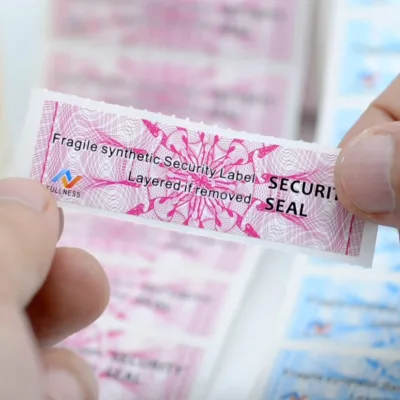
These labels are primarily manufactured using steel, aluminum, and aluminum alloy materials. Some variants may also utilize fragile synthetic paper for specific applications. The choice of material depends on the intended durability and environmental conditions. Silver coloring is a common finish, providing a professional and durable appearance for identification purposes.
What certifications are associated with these silver engraved electrical tag labels?
Products often carry ISO and RoHS certifications, indicating compliance with international standards. These certifications ensure quality management and environmental safety. Buyers should verify specific certification documents with suppliers. Compliance with these standards is crucial for industries requiring strict regulatory adherence and quality assurance in their supply chain operations.
What is the typical production time for custom silver engraved electrical tag labels?
The standard production time is typically five to ten working days. This duration applies to custom orders and standard batches. Lead times may vary based on order volume and specific customization requirements. Buyers should plan their procurement schedules accordingly to ensure timely delivery for their projects or inventory needs.
What are the common applications for silver engraved electrical tag labels?
These labels are suitable for business and public applications, including office use. They serve as personal decorations, promotion gifts, souvenirs, and home decorations. Additionally, they are used for commerce gifts, collections, and religious crafts. Their versatile design makes them ideal for various identification and decorative purposes across different sectors.
How are silver engraved electrical tag labels packaged for shipping?
Packaging options include carton, corrugated carton, and shockproof packages. These methods ensure the labels remain protected during transit. The choice of packaging depends on the order quantity and shipping requirements. Proper packaging prevents damage and maintains the quality of the engraved surfaces, ensuring they arrive in perfect condition for immediate use.